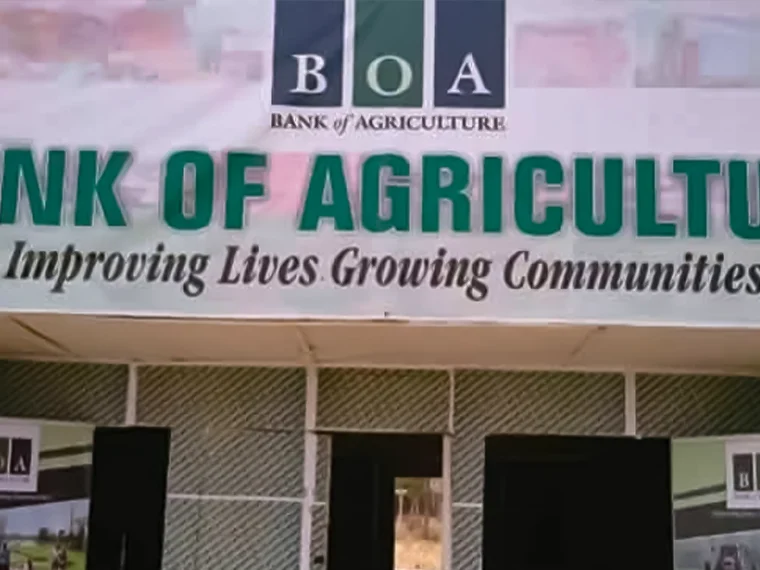
Bank of Agriculture Launches Digital Reforms to Boost Agricultural Lending
The Bank of Agriculture (BOA) has announced a sweeping modernisation drive aimed at transforming how it delivers credit and financial services to Nigerian farmers, with a focus on transparency, digital innovation and rural inclusion.
Speaking on the initiative, the bank’s Managing Director and CEO, Ayodeji Sotinrin, said the reforms are designed to upgrade operations, strengthen accountability in government intervention programmes and expand affordable credit access for smallholder farmers across the country.
Central to the overhaul is a new digital verification framework that integrates Bank Verification Number (BVN) checks, Know Your Customer (KYC) protocols and GPS farm mapping — a system the BOA says will ensure that loans and farm inputs reach only genuine farmers, cutting out fraudulent beneficiaries and the middlemen who have long diverted intervention funds.
The bank has also signed a Memorandum of Understanding with the United Nations Development Programme (UNDP), linking its revitalisation efforts to the Integrated Smart States Programme (ISSP). The partnership is expected to channel blended and climate finance into the agricultural sector and support the Federal Government’s One Million Hectare Tree Crop Initiative, which targets commercial farming expansion, job creation and export growth.
“Our vision is to deploy capital in an intelligent, smart and highly efficient way to reposition the Bank as a catalyst for food security and rural prosperity,” Sotinrin said, adding that drawing more young farmers into the formal financial system remains a key priority.
The National President of the All Farmers Association of Nigeria (AFAN), Muhammad Magaji, welcomed the reforms, noting that rigorous verification is critical to keeping subsidised loans away from what he described as “political farmers.” He urged the bank to speed up disbursements to better align with agricultural planting seasons.
On the infrastructure side, the BOA plans to roll out digital farmer platforms, agency banking services and solar-powered operations across its 110 branches to improve financial access in underserved rural communities. The bank will also engage commodity associations, cooperatives and other stakeholders through town halls and working groups to identify genuine beneficiaries and support implementation of the National Agri-food System Investment Plan (NASIP).


