Esteemed filmmaker Jigan Oluwasesan Olayemi, a prolific producer, cinematographer, and video editor, recently sat down with Ediale Kingsley.
Jigan Sesan is a name steadily gaining recognition for his unique contributions to African storytelling. A filmmaker, cinematographer, and editor with a deep commitment to culture and morality, Sesan is the creative mind behind ÌWÉ ÒWE YORÙBÁ, a cultural drama series that brings ancient Yoruba proverbs to life through modern cinematic storytelling.
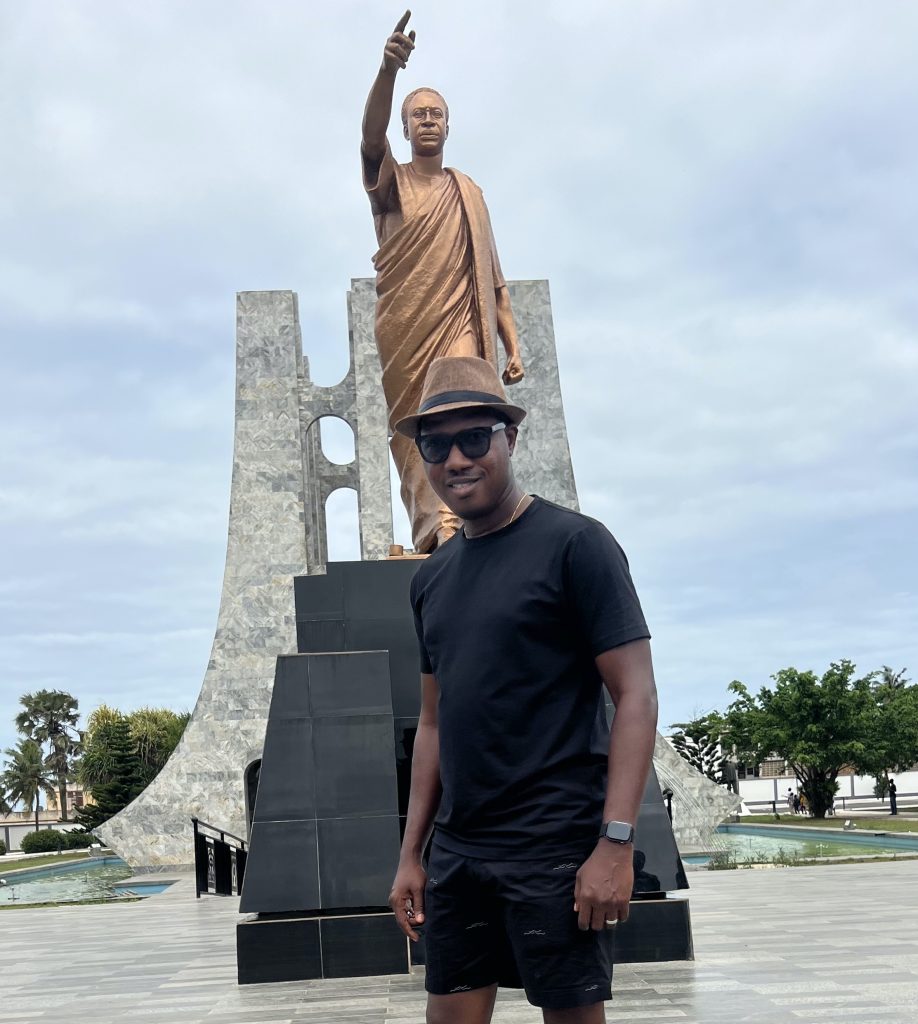
Sesan’s career began in Lagos, Nigeria, where he completed his early education before training in film production at Allen Inc. Studios. Over the years, he has produced content across more than 12 countries, collaborating with creatives around the world. His work reflects a strong desire to preserve cultural identity while delivering inspiration and life lessons through visual media. In recognition of his impact, he was awarded the prestigious Loveworld Media Award.
At the heart of ÌWÉ ÒWE YORÙBÁ is a simple but powerful concept: each episode dramatizes a Yoruba proverb, showcasing its historical roots and moral lessons in a form that modern audiences can understand and relate to.
“We carefully choose proverbs with deep cultural relevance,” says Sesan. “Then we dig into their origins and meaning, and build real life stories around them. This way, viewers see that the wisdom of the past still speaks to the challenges we face today.”
The storytelling approach is concise and powerful. With each episode standing on its own, the team ensures that complex cultural ideas are made accessible. “We design each story to be brief yet impactful,” he explains. “The audience doesn’t just hear the proverb, they feel it.”
Behind the camera, the project is directed by seasoned filmmaker Saheed Apanpa, known for his work on films like Homeless Home and Devil’s Orchard. His direction adds depth and authenticity to each scene. “Saheed brings a refined understanding of character and culture,” Sesan notes. “His past experience really shapes how we deliver each message.”

Helping to create the series’ rich, historical ambiance is Jigan Ruth Oluwatosin, who also served as Executive Producer. Her background in event design and management brings a unique visual sensibility to the project. “She builds environments that feel real and timeless,” Sesan says. “It’s not just decoration, it’s storytelling.”
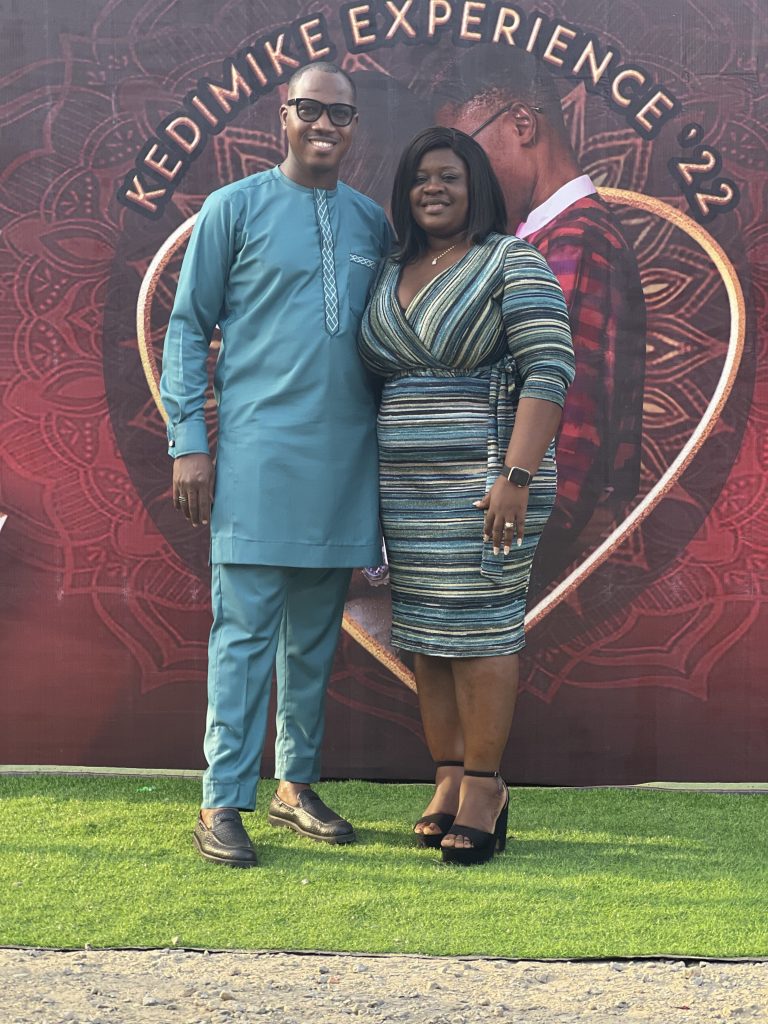
The collaboration between Sesan and Oluwatosin as executive producers is a defining strength of the series. While Oluwatosin’s skills lie in cultural promotion and audience engagement, Sesan’s strength is in visual storytelling and emotional connection. Together, their synergy enhances the production’s impact.
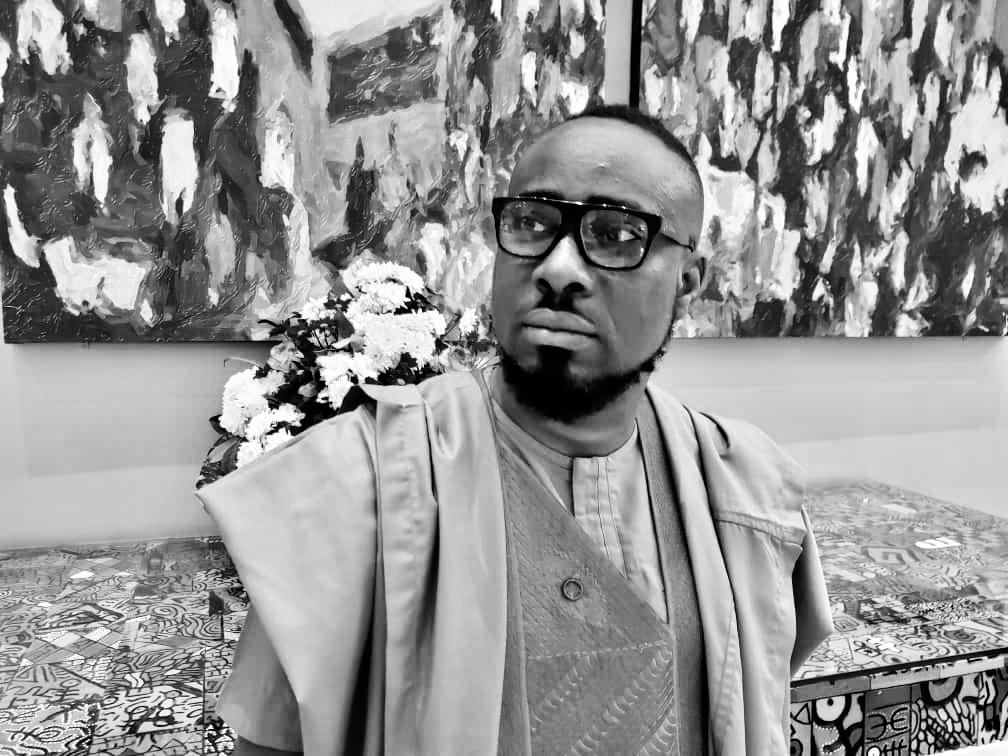
Owen Gee, a respected figure in Nigerian entertainment, joins the team as Associate Producer. Known for pioneering television skits and hosting shows like Buzz Live, he brings a layer of humor and humanity to the storytelling.
“Owen understands how to communicate with people,” says Sesan. “His background in comedy helps us make these stories more relatable. It’s not just about laughing, it’s about connecting.”
In one memorable episode, the proverb “Ogbon ju agbara lo” translated as “Wisdom is greater than strength” is explored. Traditionally, it honors the role of elders and the value of experience over brute force. The modern retelling shows how thoughtful choices can solve conflicts more effectively than aggression, an enduring message for all ages.
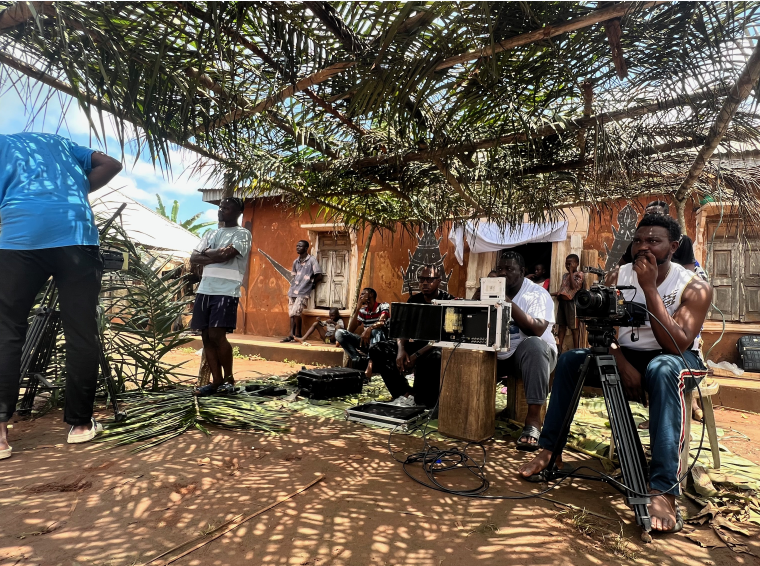
The filming location, a remote village in Abeokuta, presented challenges including limited infrastructure, transportation, and accommodation. Yet the team found solutions, bringing in generators, adapting local facilities, and working closely with community members.
“These settings gave the series authenticity,” says Sesan. “It wasn’t easy, but it was worth it.”
Though deeply rooted in Yoruba heritage, ÌWÉ ÒWE YORÙBÁ touches on universal human experiences like love, integrity, resilience, and sacrifice. These themes allow audiences across cultures to engage with the stories on a personal level.
“We want people everywhere to see themselves in these stories,” says Sesan. “They may come from Yoruba proverbs, but the emotions they reveal are global.”
Looking ahead, the project has ambitious plans. The team hopes to distribute the series internationally and integrate its episodes into educational settings. Future seasons will expand the proverb collection and explore new time periods in Yoruba history.

“Our goal is long term,” Sesan says. “We’re not just creating content, we’re preserving culture, teaching values, and opening up a world of heritage through film.”
In a time when cultural identity can easily be lost, ÌWÉ ÒWE YORÙBÁ stands as a vivid reminder of the wisdom that lives in language, history, and tradition, and how it can be passed on through powerful, modern storytelling.


