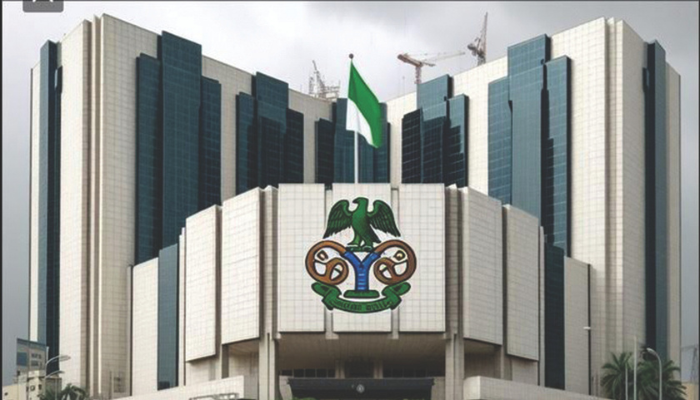
The Central Bank of Nigeria has cut its benchmark Monetary Policy Rate by 350 basis points, bringing it down to 23 percent from 26.5 percent, in a move analysts say could push investors from fixed income into equities.
The cut follows a prolonged stretch of tight monetary policy and is expected to affect government borrowing costs, bank lending rates, and the foreign exchange market. Ayokunle Olubunmi of Agusto & Co. said fixed-income yields are likely to fall as a result, which in turn should support the equity market’s ongoing rally.
The Centre for the Promotion of Private Enterprise called the cut a clear pivot away from restrictive policy toward growth and investment. The group noted that inflation eased to 15.39 percent in August 2026, and that money-market rates had already drifted toward 20 percent — well below the old 26.5 percent benchmark — undermining the rate’s usefulness as a policy signal.
Whether businesses see cheaper credit remains uncertain. The Nigeria Employers’ Consultative Association pointed out that the Cash Reserve Requirement for banks is still 45 percent, meaning overall conditions remain fairly tight even after the cut. NECA’s director-general, Adewale-Smatt Oyerinde, said the move should eventually improve access to working capital, especially for SMEs and manufacturers, but stressed that timing depends on how fast banks pass the cut through.
The CBN also narrowed its interest-rate corridor to +50/-300 basis points from +50/-450, setting the Standing Lending Facility at 23.5 percent and the Standing Deposit Facility at 20 percent — a change NECA said should help liquidity management.
Analysts flagged a downside: as Nigeria eases while other major economies hold rates higher, the interest-rate gap could narrow enough to trigger portfolio outflows and pressure the naira. The CPPE said Nigeria enters this cycle with better reserves and FX stability than in past easing rounds, but urged the CBN to stay ready to intervene if volatility spikes.
The CPPE also warned that lower rates alone won’t fix Nigeria’s deeper growth problems — citing energy costs, logistics, insecurity, weak food production, and infrastructure gaps as issues rate policy can’t solve on its own.


